


How Much Does a New ATV Cost in 2026
Table of Contents
- New ATV Price Ranges: What You'll Actually Pay
- Average Cost of a New ATV by Category
- ATV Prices by Engine Size and Displacement
- Factors That Affect New ATV Pricing
- ATV Ownership Costs Beyond the Purchase Price
- Online ATV Buying vs. Dealership: Price and Value
- How to Find the Right ATV for Your Budget
- Frequently Asked Questions
Last Updated: October 14, 2026
New ATV Price Ranges: What You'll Actually Pay
The sticker price is just the beginning, new ATV cost varies dramatically by engine size, features, and whether you're buying entry-level or high-performance.
New ATV cost ranges from under $2,000 for youth models to over $10,000 for premium sport quads.
Most buyers focus only on purchase price and miss what they'll spend to ride home, maintain the quad, and keep it running.
Average Cost of a New ATV by Category
New ATVs fall into distinct categories, each with its own price range and intended use. Knowing which matches your needs helps you avoid overpaying for features you won't use.
Entry-Level ATVs
Entry-level quads suit beginners and casual riders who want reliability without premium features. They typically have smaller engines (under 200cc) and automatic transmissions, making them forgiving for new riders.
Entry-level new ATV cost starts around $1,800 and climbs to roughly $3,500. The Powersportsmegastore.com Adult Gas ATV with 177cc engine and automatic transmission with reverse is a solid example at $2,229.99, with a full-sized frame, LED lighting, and all-terrain tires.

Mid-Range and Sport Models
Mid-range ATVs bridge basic machines and high-performance quads, typically featuring 250cc to 500cc engines, manual clutches or advanced automatic systems, and suspension tuned for varied terrain.
New ATV cost here ranges from $4,000 to $7,500. These machines appeal to experienced riders who want more power than entry-level offers but don't need extreme sport-quad performance.
Premium and High-Performance ATVs
Premium sport ATVs are built for serious riders who demand maximum performance, with large displacement engines (500cc and up), advanced suspension, and premium components for racing and aggressive trail riding.
New ATV cost for premium models typically starts around $7,500 and can exceed $12,000. These machines deliver the highest horsepower, fastest acceleration, and most advanced technology in the lineup.
Youth ATVs
Youth models are smaller, lighter quads for younger riders, with 50cc to 110cc engines, automatic transmissions, lower seat heights, and often speed governors.
New ATV cost for youth quads ranges from $800 to $2,000, depending on engine size and features. These machines teach foundational riding skills in a controlled, age-appropriate package.
ATV Prices by Engine Size and Displacement
Engine displacement (cc) is one of the strongest predictors of new ATV cost.
Youth models (50cc-110cc): $800-$2,000. These machines are built for learning, not performance.
Entry-level (150cc-200cc): $1,800-$3,500. Small displacement keeps costs down while delivering reliable trail capability.
Mid-range (250cc-400cc): $3,500-$6,000. This is where you get noticeably more power without entering premium pricing.
Sport and utility (450cc-700cc): $6,000-$10,000.
Premium performance (800cc+): $10,000-$15,000+.
Factors That Affect New ATV Pricing
Several variables influence how much you'll pay beyond category and engine size.
Engine Power and Performance
Horsepower is the most visible performance metric and drives pricing directly: a 10-horsepower entry-level quad costs roughly half what a 40-horsepower sport quad commands.
Transmission Type and Features
Automatic transmissions with reverse are standard on entry-level machines.
Electronic power steering, traction control, and advanced shift logic all add to the price.
Brand, Model, and Trim Level
Manufacturers position their lineups at different price points, some emphasize value and reliability, others chase performance and technology.
A machine with the same engine displacement can vary $1,500-$3,000 in price based purely on brand positioning and feature set.
ATV Ownership Costs Beyond the Purchase Price
The sticker price is misleading because it excludes what you'll actually spend to own and operate the quad. Below, one-time dealer costs are separated from recurring costs so you can build a realistic annual number.
Out-of-the-Door Expenses
When you buy a new ATV, several mandatory one-time costs stack on top of the advertised price:
Freight charge: $300-$800 depending on distance and dealer logistics.
Adult Gas ATV, 177cc, Automatic with Reverse, 40+ MPH →
Assembly and setup fee: $200-$600. Dealers prepare the quad for delivery: final assembly, safety checks, fluid fills, and initial adjustments.
Sales tax: Varies by state, but typically 5-10% of the purchase price. On a $3,000 ATV, that's $150-$300 additional.
Registration and title: $50-$200 depending on your state's fees.
Dealer documentation: $50-$150 for paperwork processing.
On a $2,500 ATV, your true out-of-the-door cost might be $3,200-$3,500 once all fees are included. Ask for a written, itemized out-the-door quote before you commit, the advertised price and the financed amount are rarely the same number.
Financing and Monthly Payment Scenarios
Most buyers don't pay cash, so the monthly payment matters as much as the price. Three variables drive it: down payment, loan term, and interest rate. A longer term lowers the monthly payment but raises total interest; a shorter term does the opposite.
A useful rule of thumb: on a $5,000 financed balance at a typical rate for good credit, a 36-month term produces a higher monthly payment than a 60-month term, but you'll pay less interest overall.
Insurance, Storage, and Safety Gear
These are easy to forget and hard to avoid:
- Insurance: Many states require liability coverage if you ride on public land, and lenders typically require comprehensive coverage while a loan is active. Premiums depend on engine size, rider age, and coverage level.
- Storage: A covered space, shed, or trailer spot protects the machine from weather and theft. If you rent storage, that's a recurring monthly cost.
- Safety gear: A helmet, goggles, gloves, boots, and chest protection are a one-time purchase but a real line item, and a helmet should be replaced after a significant impact.
- Towing and transport: If you don't already own a trailer or a vehicle rated to tow one, getting the quad to the trail is its own cost.
Ongoing Maintenance and Fuel
Annual operating costs are real. Fuel runs $10-$20 per riding day depending on engine size and terrain. Oil changes run $40-$80 annually or every 500 riding hours. Air filter replacement costs $15-$40, and tire replacement runs $400-$800 for a full set. Brake service and battery replacement vary with how hard you ride.
A Simple Annual Cost Model
To estimate your true yearly cost, add these four buckets:
- One-time at purchase: out-the-door price (vehicle + freight + setup + tax + registration + doc fees).
- Annual recurring: insurance + storage + fuel + scheduled maintenance.
- Periodic: tires, battery, brake service, and any repairs.
- Depreciation: a new ATV loses value the moment it leaves the dealer, and the steepest drop happens in the first year or two.
New Versus Used: Where the Money Goes
A used ATV usually carries a lower purchase price and no freight or setup fee, but comes with unknown maintenance history and no factory warranty unless still covered. A new ATV costs more up front but gives you a known service baseline, a warranty period, and predictable reliability.
Online ATV Buying vs. Dealership: Price and Value
You can buy ATVs online or at traditional dealerships, and the approach affects both price and experience. But the bigger question isn't where you buy, it's how you evaluate whether the price reflects the value.
How Location and Season Change the Price
The same ATV can carry a different out-the-door price depending on where and when you buy it:
- Regional taxes and fees: Sales tax, registration, and title fees are set at the state level, so the same machine costs more in a high-tax state than a low-tax one. Dealer documentation fees also vary by state and even by dealer.
- Local inventory and demand: Dealers in areas with strong riding communities may hold closer to MSRP, while dealers in slower markets discount more aggressively to move units.
- Seasonality: Demand typically rises in spring and early summer, when buyers are planning trail season, and softens in late fall and winter. Buying in the off-season often means more negotiating room and better promotions.
- Manufacturer promotions: Rebates, financing incentives, and holdover-model discounts come and go. A current-year model and a leftover prior-year model of the same machine can differ significantly in price.
Dealership vs. Online: What You Actually Get
Dealership purchases offer test rides, in-person assembly, and immediate support. Dealers typically charge full MSRP or close to it, but they handle freight, setup, and registration, so you leave with a machine ready to ride.
Online retailers often offer competitive pricing on fully built ATVs with detailed specs for your exact model and year. The trade-off is that you can't ride before buying, though spec sheets and video content help.
A Value Checklist, Not Just a Price Tag
Price alone doesn't tell you whether a machine is right for you. Before you buy, run through this checklist:
- Engine size vs. intended use: Match displacement to your terrain and riding style, not to the biggest number you can afford.
- Drivetrain: Decide whether you need four-wheel drive for the terrain you actually ride, or whether two-wheel drive is enough.
- Towing and payload capacity: If you plan to haul, check the rated capacity rather than assuming it.
- Suspension and brakes: These determine comfort and control on rough ground more than horsepower does.
- Warranty terms: Compare coverage length and what's included, not just whether a warranty exists.
- Dealer or retailer support: Ask how they handle service questions, fitment advice, and warranty claims after the sale.
How to Get the Best Out-the-Door Number
Whichever route you choose, ask for an itemized out-the-door quote in writing and compare quotes on the same basis, vehicle price, freight, setup, tax, registration, and doc fees. If you're flexible on timing, shopping in the off-season or asking about holdover models can move the number more than haggling over the sticker.
How to Find the Right ATV for Your Budget
Start by defining your actual budget, not just the purchase price.
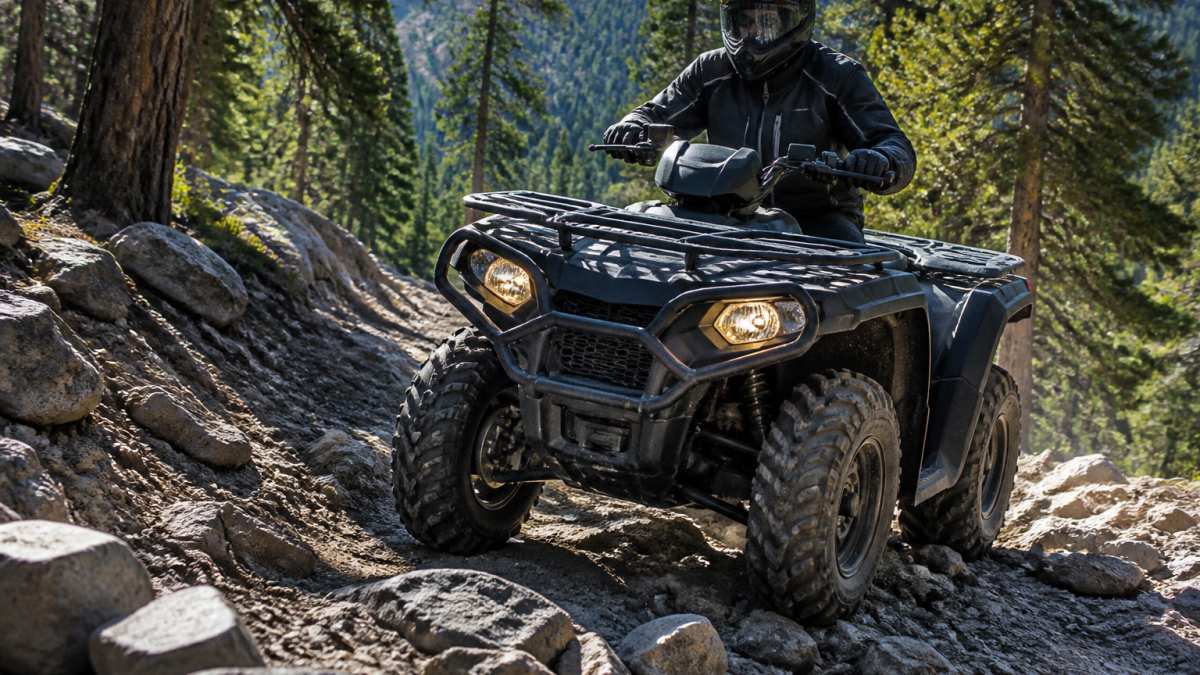
Next, match your budget tier to your experience level and intended use.
If you're buying online, watch detailed video reviews, compare spec sheets side by side, and ask retailers specific questions about fitment and performance.
Finally, buy from a retailer that stands behind their recommendations.
Choosing the right new ATV means balancing budget, capability, and realistic assessment of your skill level.
Frequently Asked Questions
What is the average cost of a new ATV?
New ATV prices typically range from $2,000 for entry-level models to $10,000 or more for premium sport and utility quads. Most recreational ATVs fall between $3,000 and $7,000. The exact price depends on engine size, features like automatic transmission and reverse, brand reputation, and whether you're buying online or from a dealership. Entry-level 177cc ATVs with automatic transmission start around $2,200, while larger displacement models with advanced features cost significantly more.
How much more do youth ATVs cost compared to adult models?
Youth ATVs are generally less expensive than full-sized adult models, typically ranging from $1,000 to $3,500 depending on engine displacement and features. The price difference reflects the smaller engine size (usually 50cc to 110cc) and frame dimensions designed for younger riders. Adult ATVs with 177cc engines and automatic transmission start around $2,200, making some entry-level adult models competitive with mid-range youth options. Your choice should prioritize proper fit and safety for the rider rather than price alone.
Is it cheaper to buy a new ATV online or at a dealership?
Online purchases often have lower advertised prices, but total cost depends on additional factors. Online retailers typically don't charge freight or setup fees upfront, though some pass these costs to the buyer. When comparing online ATV buying vs. dealership options, factor in shipping costs, assembly fees, sales tax, registration, and warranty coverage. Online buying works best when you know exactly what you need and understand the full out-of-the-door cost before committing.
What costs should I budget for beyond the purchase price of a new ATV?
Beyond the ATV price, expect out-of-the-door costs including freight charges, setup or assembly fees, sales tax, and registration. Annual ownership costs include fuel (typically $300-$600 per year for recreational use), routine maintenance like oil changes and filter replacements, and potential repairs. Insurance is optional but recommended, costing $100-$300 annually. A complete ATV ownership budget should allocate $500-$1,500 annually for maintenance and fuel beyond the initial purchase.


